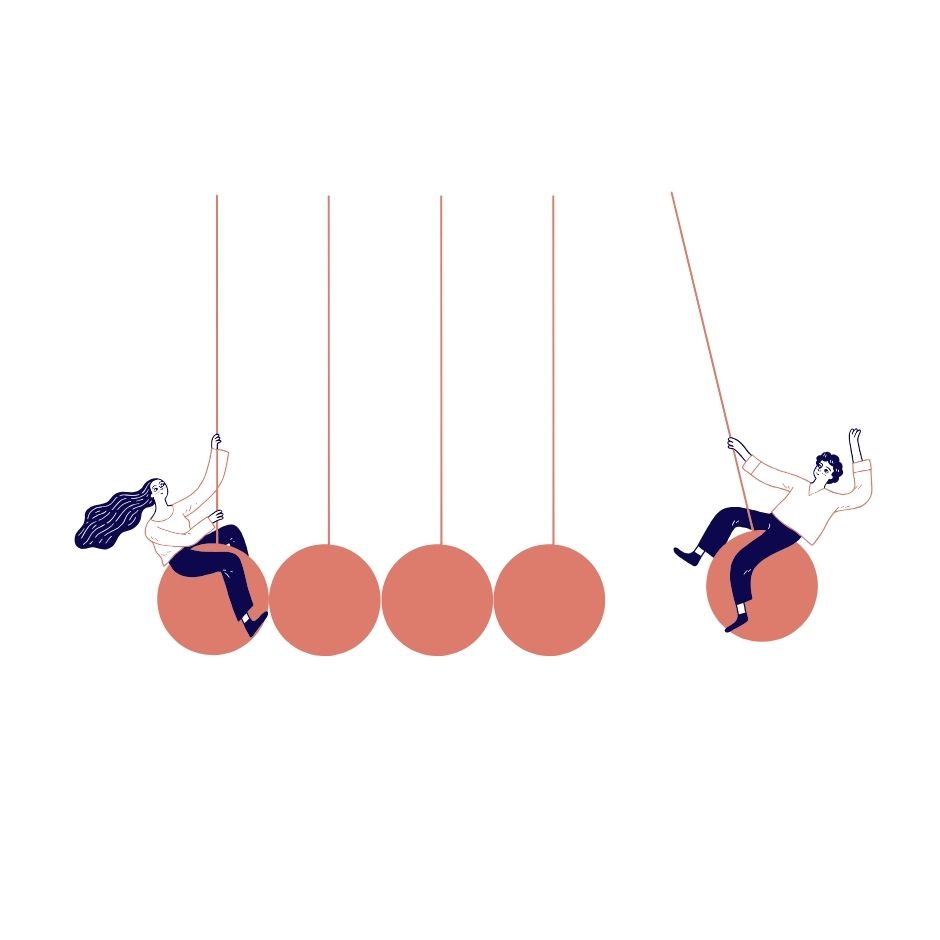
When there’s no family you can lean on, two people sometimes hold an entire world on four shoulders. The children are sick, work is pressing, the holidays arrive, you need to move, someone breaks down, someone needs help, and there isn’t necessarily anyone to call. There’s no grandmother who can pick up, a sibling you can drop the kids off with, or a parents’ home you can go to when you need someone else to hold part of life for a moment.
A relationship without family support faces an emotional lack, and also a very practical cost. Tasks that in other families are divided among several people remain inside the home. The two partners easily become the only address for the children, for arrangements, for crises, and also for each other. Over time, this burden can enter the relationship and look like a couple’s problem.
I know this reality from my work with couples who live without stable family support. One of the questions that occupies me is how partners can be home for each other, and at the same time build around the relationship a broader system of belonging and support. A relationship can be the heart of the home. Two people don’t need to be the entire village.
Support can be built even when we didn’t receive it from the family we came from. It won’t be a copy of what should have been, it can look completely different.
First of All, Name the Burden
When the child is sick, one partner cancels work. When a ride is needed, one of you drives. During the long break there isn’t necessarily a grandparent you can spend a few days with. When a crisis arrives, there isn’t always another person you can call. When there’s no support network, the burden isn’t just a feeling. Part of it is simply reality.
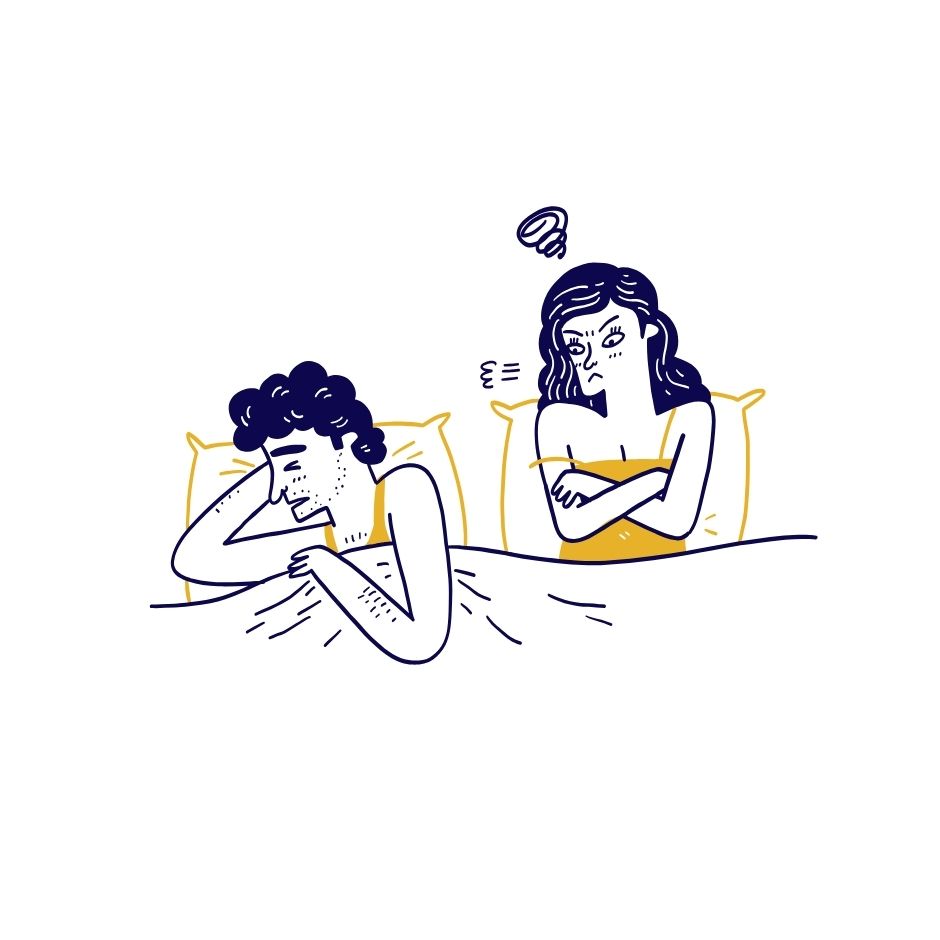
This burden can quickly enter the relationship and turn into blame:
“I’m doing everything here.”
“I can’t count on you.”
“I have to think of everything alone.”
There may be a real couple’s difficulty here that needs to be talked about. It may be that the division of responsibility isn’t fair or that one partner truly carries more. Before locating the entire problem inside the relationship, it’s worth broadening the picture and checking how many people are actually holding this family’s life.
Perhaps two tired people are trying to do work that in another system would be divided among four, six, or eight people. Instead of only asking who does more, you can ask: “What are we holding today alone, that would have been easier if there were someone else around us?” This question doesn’t cancel the responsibility of each partner. It adds to the picture what is missing around them.
Build Your People
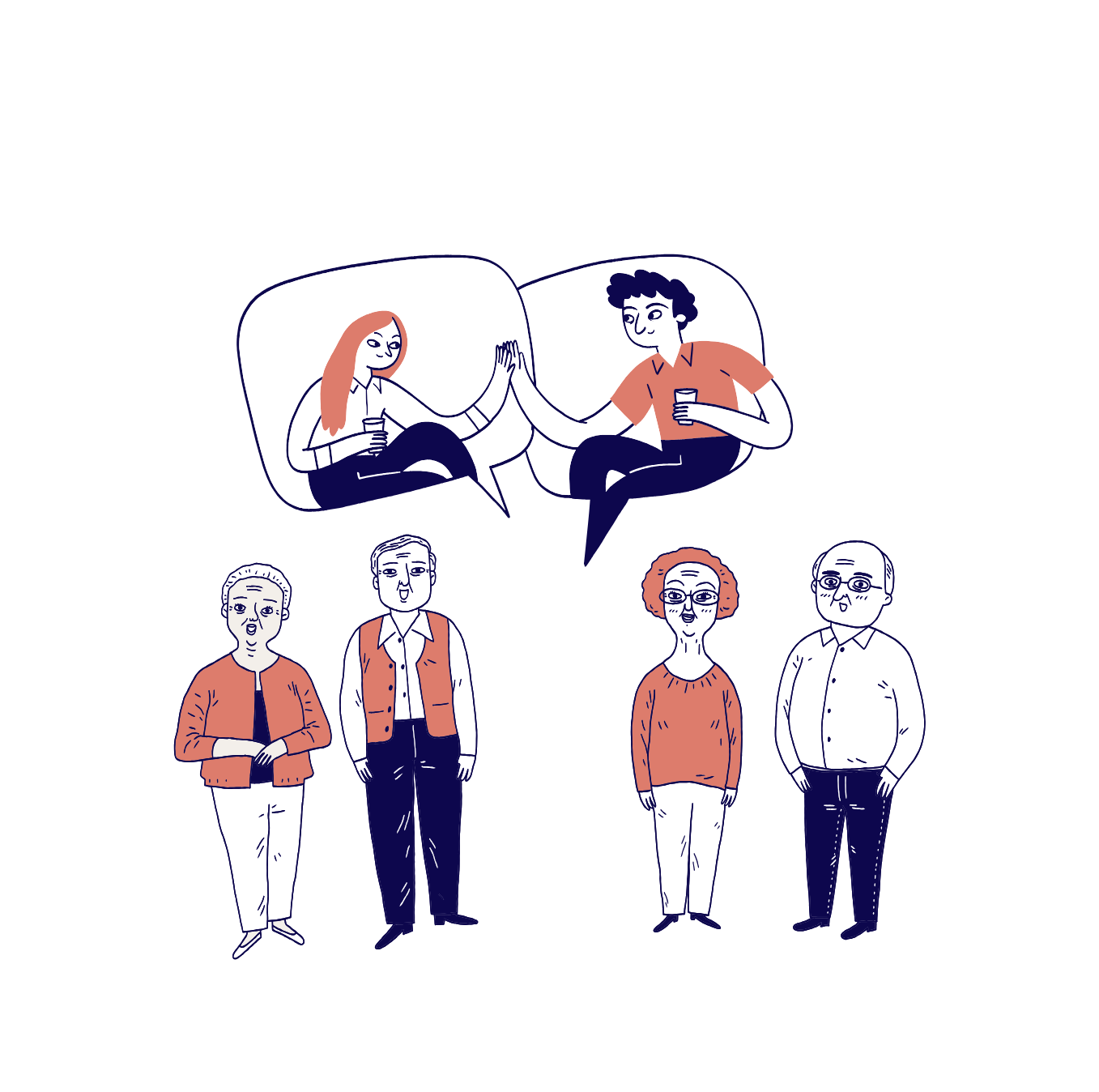
When we say “family support,” it’s easy to immediately think of parents, siblings, grandparents, and aunts and uncles. Support can also be built from other relationships: a friend you can call, neighbors who have a key, parents of classmates you can share rides with, people you eat with on holidays, a community you belong to, and friends who know how to show up when it’s hard.
You receive biological family. A network of belonging you can also build. Such connections develop from reciprocity, time, presence, and consent to let people into your life. For those who have grown accustomed to managing alone, precisely the last part can be especially complex.
The sentence “We don’t need anyone” can sound like independence. For some people it was an important way to cope with disappointments and build a life on their own. In adulthood you can check whether this way still serves you, or whether it leaves you alone even when another possibility already exists.
Independence can live alongside connection. So the question isn’t only “Who will help us?” It’s worth also asking: “Who are the people we want to be part of our lives?”
Consent to Ask for and Receive Help
There may be good people around us and we still won’t turn to them. Someone who learned over years that there’s truly no one to rely on may feel safer doing everything themselves. Asking for help can stir embarrassment, a sense of debt, fear of being a burden, or fear of hearing “no”. Building support also requires consenting to use the support we’ve built.
You can start with small, concrete requests:
- “Could you pick up Maya today? I’ll pick up next time.”
- “We’re in a busy period. Can I ask you for help?”
- “We’re alone for the holiday this year. Would you like to do something together?”
A request doesn’t guarantee the other person will be able to respond. Healthy support also isn’t built on a specific person always having to be available to us, it’s built from the possibility of reaching out, receiving even a different answer than we hoped for, and continuing to be in connection.
When each partner can also lean on connections outside the relationship, the couple’s connection doesn’t need to be the only address for every need and difficulty. A broader support circle allows the relationship to remain a connection between two people who love each other, without loading onto it everything life demands.
Create Traditions That Belong to Your Home
Support isn’t composed only of people you can call when there’s a problem. It’s also built from a sense of belonging. When there’s no extended family dictating tradition, you can ask: How do we want our home to feel? What does Friday look like for us? Who do we want around the table? Where will we be for the holiday? What food will our children recognize in twenty years as *”the food of home”*?
John and Julie Gottman refer to rituals of connection and creating shared meaning as part of couple life. A ritual doesn’t have to be big or festive. Friday dinner with the same friends, a trip you return to every year, a fixed dish on a birthday, or a gathering that repeats itself can over time become part of the home’s story.
For couples without family support there is an especially meaningful possibility in this. Even when there’s no tradition we want or can continue, we can create traditions we’ll want to pass on and open the home to people who have become over the years the family we chose.
This isn’t the history we received. This is the history we are creating.
Build Support Also for Days When Life Gets Complicated
The question of who is around us becomes especially tangible when one partner is sick, when the children need help, when hospitalization is needed, or when a period arrives when you can’t continue holding everything in the same way. For couples without family support it’s worth talking about these things before they become an emergency.
Who are the people we can call? Who has a key to the house? Who can help with the children? Who is the person we trust in a moment of crisis? What help can we buy when there’s no one to do it for us? And where are we continuing to do alone something that is already costing us dearly?
Part of the support can certainly be paid. A regular babysitter, a cleaner, food deliveries during a busy period, a professional, a day camp, transportation, or any other solution that takes one task out of the couple system. Help doesn’t become less meaningful because we paid for it. Sometimes that’s precisely the way to build a life system you can breathe inside.